Ajwa Dates: Price Trends for 50kg & Above
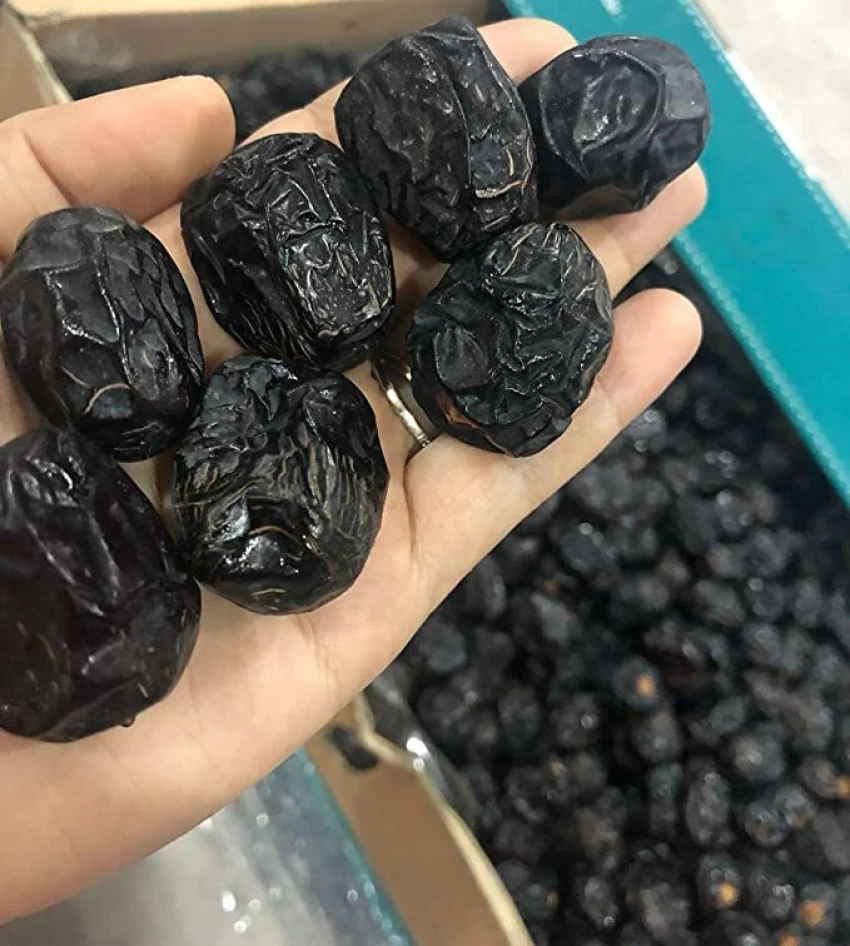
Ajwa dates are among the most sought-after varieties of kurma, celebrated not only for their rich flavor and soft texture but also for their cultural and health significance. As demand for Kurma Ajwa Borong continues to rise, especially during festive and religious seasons, understanding the wholesale market pricing for 50kg and above has become increasingly important for retailers, importers, and bulk buyers.
This article provides a comprehensive look into the wholesale Ajwa market, focusing on current price trends, influencing factors, and practical tips for securing the best bulk deals. Whether you’re a seasoned supplier or a new entrant into the kurma trade, this guide offers insights to support smarter purchasing decisions.
Understanding the Demand for Kurma Ajwa Borong
Ajwa dates are primarily imported from regions known for date cultivation, especially areas with optimal climate conditions that support the unique texture and taste of this premium variety. In the wholesale market, Kurma Ajwa Borong typically caters to retail shops, online sellers, health food stores, and religious centers.
The demand for Ajwa dates peaks during key religious months such as Ramadan, as well as around major Islamic celebrations. During these times, bulk orders exceeding 50kg are common, and the prices often fluctuate due to changes in supply and demand dynamics.
Current Wholesale Pricing Trends (2025 Outlook)
As of the current year, the price of Kurma Ajwa Borong in quantities of 50kg and above generally ranges between RM 50 to RM 80 per kilogram, depending on several critical factors. This translates to RM 2,500 to RM 4,000 for a standard 50kg bulk order. For quantities beyond 100kg, some suppliers offer tiered pricing or discounts, potentially reducing the per-kilo cost by RM 3 to RM 5.
In international markets, prices are affected by foreign exchange rates, especially if sourcing directly from overseas suppliers. Freight costs, shipping delays, and import tariffs may also impact final wholesale rates in Malaysia and beyond.
Factors That Influence the Wholesale Price
The price of Kurma Ajwa Borong for 50kg and larger quantities is not fixed and can vary significantly due to the following reasons:
1. Grade and Size of Dates
Ajwa dates are graded based on size, appearance, moisture content, and sweetness. Larger and plumper dates with uniform color are priced higher. Lower grades, although still nutritious, fetch a more affordable wholesale price.
2. Harvest Season and Supply Conditions
Freshness plays a big role in price. Newly harvested Ajwa dates typically command premium prices, especially during early seasonal availability. In contrast, off-season dates or excess stock may be sold at a discount.
3. Packaging and Storage Requirements
Packaging affects bulk pricing. Vacuum-sealed packaging for 50kg lots or dates packed in food-grade containers may come with added costs. Suppliers offering hygienic and climate-controlled storage add value but may charge slightly more.
4. Shipping Costs and Delivery Options
Wholesale buyers seeking 50kg or more often benefit from free delivery within certain regions. However, long-distance transport or special handling requirements (e.g., temperature-controlled vans) may increase the cost.
5. Market Location
Prices in major urban centers like Kuala Lumpur or Johor Bahru may be higher than in agricultural hubs or port cities. Suppliers in closer proximity to import warehouses may offer slightly better rates.
6. Purchase Agreements and Contract Duration
Buyers willing to commit to recurring purchases, or who form long-term agreements, usually enjoy better rates for Kurma Ajwa Borong in high quantities. These arrangements provide security for the supplier and savings for the buyer.
Price Comparison: Local vs. Imported Bulk Ajwa
Local wholesalers may price Ajwa dates slightly higher due to added handling and quality checks. Imported stock purchased in large quantities directly from source countries can be cheaper per kilogram, but comes with risks like inconsistent quality or customs delays.
In 2025, the price difference between locally stored and freshly imported Kurma Ajwa Borong is roughly RM 5–10 per kilogram, especially at the 50kg threshold. Direct importers offering FOB (free on board) prices may help reduce total costs but require volume commitment and strong supplier relationships.
How to Get the Best Wholesale Deal
To ensure the best price and quality when purchasing 50kg or more of Kurma Ajwa Borong, consider the following steps:
-
Compare Multiple Suppliers
Request quotations from at least 3 to 5 wholesale providers. Ask for price tiers based on volume, and clarify whether delivery is included. -
Request Samples
Before committing to large orders, ask for a small sample batch. Evaluate size, taste, moisture content, and packaging. -
Check Origin Certifications
Authentic Ajwa dates often come with documentation proving origin. This is particularly important when reselling to quality-conscious consumers. -
Negotiate for Long-Term Terms
If you plan to purchase repeatedly, negotiate a contract. Some suppliers may reduce the unit price or offer free storage or delivery services. -
Monitor Seasonal Trends
Prices often drop slightly just after Ramadan or during off-peak months. Stocking up during these times may provide long-term cost savings.
The Impact of Market Volatility
The market for Kurma Ajwa Borong is not immune to global changes. Political shifts, natural disasters in producing countries, and changes in consumer trends (e.g., a surge in health-conscious buyers) can all impact pricing.
Buyers should stay updated with market news and follow trade reports for trends in the date fruit sector. Even a small shift in supply chain logistics can significantly influence bulk order costs in the long term.
Key Takeaways for Wholesale Buyers
For those sourcing Kurma Ajwa Borong in quantities of 50kg and above, 2025 brings both opportunities and challenges. With rising demand and relatively stable supply, prices are competitive—if you know where and how to look. Pay close attention to product quality, logistics, and supplier credibility to ensure a profitable and efficient supply chain.
Summary of Key Points
-
Kurma Ajwa Borong in 50kg+ quantities is priced around RM 50–RM 80 per kg.
-
Grade, origin, packaging, and delivery affect overall pricing.
-
Local wholesalers may charge more due to storage and handling.
-
Direct import offers savings but carries quality and logistics risks.
-
Long-term purchase agreements help secure better rates.
-
Monitoring seasonal trends can offer buying advantages.
-
Ensure product authenticity, especially when reselling.
-
Always request samples before bulk commitments.