Why Ajwa Date Prices Vary So Widely
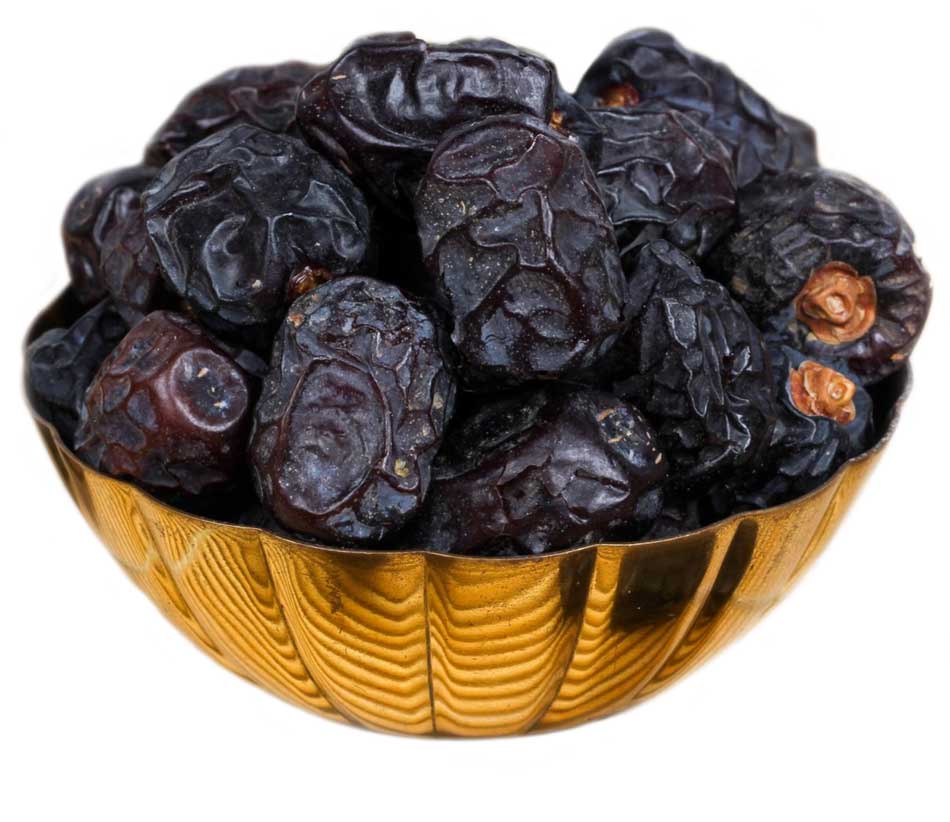
Ajwa dates are among the most sought-after varieties in the world, and if you’ve ever compared prices, you’ve probably noticed something puzzling — the harga kurma Ajwa can vary dramatically between sellers, markets, and even seasons. Why does this happen, and more importantly, what justifies its high price point?
This article breaks down the core reasons behind the wide range in Ajwa date prices and explains the value behind every riyal, dollar, or ringgit spent on these small, black gems.
Rarity of the Ajwa Variety
Ajwa dates are not grown in abundance like some other types of dates. Their cultivation is often limited to specific regions with ideal growing conditions, especially where soil, climate, and traditional techniques intersect perfectly. This limited geographic and environmental availability means that only a finite quantity can be harvested each year.
The smaller the supply, the higher the demand — especially when a product holds cultural or religious significance. That’s one of the key reasons the price of kurma Ajwa tends to remain higher than most other varieties.
Labor-Intensive Harvesting Process
Harvesting Ajwa dates is not a mechanical or industrial process. It involves careful handpicking to avoid bruising and maintain the fruit’s delicate texture. Workers must identify the ideal time to harvest, ensuring the dates have matured but haven’t become overly soft or fermented.
This manual approach adds labor costs, and when labor is intensive, prices go up. From pollination to picking, packaging, and inspection, every step involves human hands and careful monitoring. That kind of care and attention comes at a price.
Stringent Quality Standards
Not all Ajwa dates are created equal. High-quality Ajwa dates have a smooth black appearance, a soft yet chewy texture, and a rich, mild sweetness. To maintain such premium standards, many suppliers go through several rounds of sorting and grading.
Only the best make it to the top tier, and that tier is priced accordingly. Lower grades — often smaller, drier, or with imperfections — are sold at lower prices, contributing to the wide range in the price of kurma Ajwa across different sources.
Organic and Ethical Farming Practices
As consumer preferences shift toward healthier and ethically sourced food, Ajwa growers who invest in organic farming and fair labor practices usually price their products higher. Avoiding synthetic fertilizers and pesticides requires alternative methods that are often more costly and time-consuming.
These added efforts align with the values of consumers who care about where and how their food is grown. They’re willing to pay more for peace of mind, which drives the prices even higher for organically grown Ajwa dates.
Cultural and Religious Significance
Ajwa dates hold a special place in many cultures, especially within religious communities. Because of their symbolic and spiritual importance, especially during certain religious observances or holidays, demand tends to spike during those times.
This demand surge directly influences market prices. Sellers often raise the price of kurma Ajwa to reflect the seasonal rush, knowing that consumers prioritize quality and authenticity during meaningful occasions.
Storage, Handling, and Packaging
Unlike bulk dates that can be thrown into sacks or boxes, Ajwa dates often come in elegant, moisture-proof, and airtight packaging. Some are even vacuum-sealed to maintain freshness during long transport and storage.
Proper handling and packaging ensure the product arrives in perfect condition, especially for international shipments. This adds cost, but also ensures that what reaches the end consumer is premium in both appearance and taste.
Import Costs and Transportation
Ajwa dates are typically imported from regions with specific growing conditions. Import costs, customs fees, shipping insurance, and exchange rates all impact the final price. For instance, long-distance air-freight shipping — often necessary to preserve freshness — is more expensive than sea freight.
All these factors get bundled into the final costs of kurma Ajwa, making the same product noticeably pricier depending on where and how it was transported.
Middlemen and Supply Chain Layers
Another factor affecting price is the number of intermediaries involved in the supply chain. Some suppliers source directly from farmers or cooperatives, keeping costs relatively low. Others go through several layers — exporters, importers, wholesalers, and distributors — each of whom adds their own markup.
The more people involved between the farm and your shelf, the higher the final price tag. Direct-to-consumer channels or wholesale buying options often offer better value, but not all sellers or buyers have access to these options.
Seasonal Variations
Harvest seasons, climate changes, and even regional conflicts can influence the availability of Ajwa dates. A particularly dry or stormy season may yield fewer high-quality fruits, creating scarcity and raising the pricing of kurma Ajwa.
Similarly, during the holy month or the fasting season, demand can peak sharply, causing even second-grade dates to sell at higher prices. Understanding this cycle helps both sellers and buyers manage expectations and budgets more efficiently.
Brand Perception and Marketing
Lastly, branding plays a big role in pricing. A well-marketed, beautifully packaged Ajwa date product from a known supplier will always cost more than an unbranded or lesser-known alternative — even if the quality is comparable.
This perceived value is powerful. Consumers are often willing to pay a premium for what feels exclusive, reputable, or luxurious. So even within the same variety, packaging and branding can shift prices noticeably.