Why Price of Kurma Online Rises and Falls
For many buyers, the convenience of purchasing dates online has become a preferred option. Retailers, wholesalers, and everyday consumers now turn to digital platforms for both bulk and individual orders. However, one thing remains unpredictable: harga kurma online tends to shift throughout the year. These fluctuations are influenced by multiple factors, from global harvest conditions to seasonal demand and local market dynamics. Understanding these changes helps buyers and sellers make smarter decisions when planning purchases or setting prices.
The Importance of Price Stability
Stable pricing benefits everyone in the supply chain. Retailers rely on consistent prices to maintain competitive margins, wholesalers need predictability for bulk orders, and ordinary buyers appreciate transparency. When prices fluctuate sharply, it creates challenges in stock planning and consumer trust. This is why recognizing the reasons behind changing costs is critical for long-term business growth.
Global Supply Conditions
Dates are primarily grown in specific regions where climate plays a significant role. Unfavorable weather, droughts, or smaller harvests in producing countries quickly affect global supply. When production drops, the reduced availability drives up costs across all markets, including online platforms. On the other hand, abundant harvests can ease prices, though transportation and handling expenses still add layers to the final retail price.
Seasonal Demand Patterns
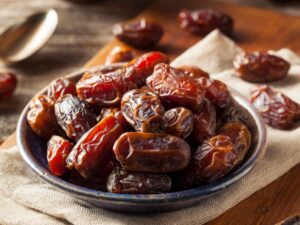
One of the strongest influences on date prices is seasonal demand. During festive and religious periods, demand surges dramatically. Families, wholesalers, and retailers stock up in large quantities, which places pressure on suppliers. The sudden increase in purchasing often causes online prices to rise significantly. Once the festive season ends, demand stabilizes, and prices usually return to lower levels.
Transportation and Logistics
The cost of moving dates from producing regions to local markets plays a direct role in pricing. Rising fuel costs, shipping delays, or storage issues add expenses for kurma suppliers, which are eventually reflected in online prices. Efficient logistics and modern storage facilities can help control these costs, but disruptions in the supply chain make it difficult to keep prices steady.
Quality and Varietal Differences
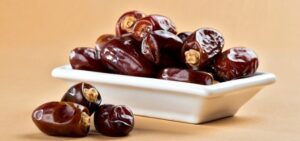
Not every date variety carries the same value. Premium types command higher prices due to their unique taste, size, and texture. During peak demand seasons, these high-end varieties experience the steepest price increases because of limited availability and strong consumer interest. Meanwhile, more common varieties also fluctuate but typically remain more affordable.
Market Competition in Online Platforms
Competition among online sellers is another factor. While digital marketplaces offer transparency, they also push sellers to differentiate themselves. Some suppliers reduce prices to attract buyers, while others emphasize quality and reliability. Promotions, bundle deals, and discounts influence short-term fluctuations, though the underlying cost structures remain tied to supply and logistics.
Economic and Currency Shifts
Since much of the supply is imported, currency strength has a major impact. A weaker local currency raises import costs, leading to higher prices on online platforms. Broader economic conditions, such as inflation, also affect consumer spending habits. Sellers may adjust prices to align with purchasing power, further contributing to variation in the market.
Consumer Behavior and Preferences
Modern buyers are not solely price-driven. Many now seek organic certification, eco-friendly packaging, or sustainably sourced products. These added values often come at higher costs, which contribute to pricing differences online. Additionally, consumer behavior such as bulk buying during promotional campaigns can create temporary spikes in demand that affect prices.

Festive vs. Off-Season Trends
The most visible shifts occur between festive peaks and off-season periods. During celebrations, prices climb as suppliers maximize demand. Off-season, the lower sales volume leads to more competitive pricing. Understanding these cycles allows wholesalers and retailers to plan stock in advance, while everyday consumers can save money by buying outside of peak periods.
Future Outlook of Online Pricing
Going forward, technology and supply chain innovation may reduce volatility in pricing. Improved storage, digital forecasting tools, and transparent online platforms will help stabilize costs. However, global climate conditions, economic fluctuations, and seasonal surges will continue to play a role in shaping prices. Sellers who adapt to these changes and communicate openly with buyers will gain a stronger position in the market.
Conclusion
The fluctuation of price of kurma online throughout the year is the result of a complex mix of supply, demand, logistics, quality differences, and economic influences. Retailers, wholesalers, and ordinary consumers all feel the impact of these shifts, whether during festive peaks or off-season lulls. By understanding the causes, buyers can make cost-effective decisions, and sellers can manage stock and pricing strategies more effectively.