Kurma vs. The World: A Sweetener Showdown
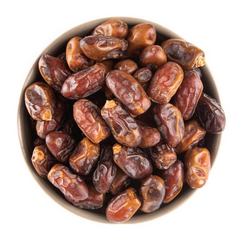
In a world increasingly wary of refined sugars, the quest for the perfect natural sweetener is more intense than ever. We’re all looking for that magical ingredient that delivers sweetness without the nutritional guilt. Among the top contenders, one ancient fruit stands out: the humble date, or kurma. But how does the nutritional profile of kurma truly stack up against other global natural sweeteners like honey, maple syrup, and coconut sugar? Let’s dive into a detailed comparison to find a clear winner for your health and your palate.
Meet the contenders: a line-up of nature’s sweetest
Before we crown a champion, let’s meet the competitors in this nutritional showdown. Each brings its own unique flavor and history to the table.
Kurma (the date)
Kurma is the fruit of the date palm tree, a staple in Middle Eastern and North African cultures for thousands of years. They are consumed both fresh and dried, offering a deep, caramel-like sweetness and a soft, chewy texture. Their nutritional value is immense, making them far more than just a sugar source.

Honey
The classic natural sweetener produced by bees from flower nectar. Its flavor profile can range from delicately floral to robust and dark, depending on its source. It has been prized for centuries, long before refined sugar existed.
Maple syrup
The boiled-down sap of the maple tree, primarily from Canada and the northeastern United States. It boasts a distinct, woody sweetness and is rich in minerals like manganese and zinc.
Coconut sugar
Derived from the sap of the coconut palm flower blossom. It has a granulated texture similar to brown sugar and a taste often described as buttery caramel with a slight nutty tone.
The main event: breaking down the nutritional profile of kurma
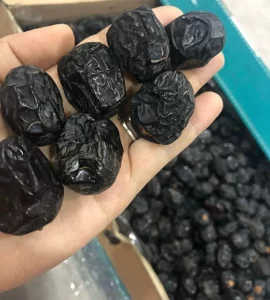
This is where we separate the truly nutritious from the merely sweet. When we analyze the nutritional profile of kurma, its advantages become strikingly clear.
Fiber: the undisputed champion
This is perhaps the most significant win for dates. Unlike liquid sweeteners which contain virtually no fiber, kurma is an exceptional source of dietary fiber. A typical serving can provide a substantial portion of your daily needs. Fiber is crucial for digestive health, helps modulate blood sugar absorption by preventing sharp spikes, and promotes a feeling of fullness. This is a feature honey, maple syrup, and coconut sugar simply cannot match in the same form.
The micronutrient punch
Dates are packed with essential vitamins and minerals. They are an excellent source of potassium, which supports normal muscle and nerve function, along with significant amounts of magnesium, copper, manganese, iron, and Vitamin B6. While maple syrup contains minerals like zinc and manganese, and honey has trace enzymes and antioxidants, the concentration and variety in dates are generally superior.
Antioxidant content: fighting free radicals
All natural sweeteners contain antioxidants, but kurma is particularly rich in them. They contain flavonoids, carotenoids, and phenolic acid, concentrated mostly in the skin, which give dates their characteristic dark color.

The glycemic index (GI) consideration
The Glycemic Index measures how quickly a food causes blood sugar to rise. This is a complex area. Pure glucose is 100. Dates have a moderate GI, similar to or sometimes lower than maple syrup and honey, which can vary widely. However, the high fiber content in whole dates significantly blunts this blood sugar response compared to using a liquid sweetener in isolation. Context is key—eating a whole date with its fiber is metabolically different from consuming an equivalent amount of sugar in a liquid form.
How the others compare
Honey does contain antioxidants, but it is still primarily a mix of fructose and glucose with minimal vitamins and no fiber. Maple syrup offers minerals and unique antioxidants, but again, no fiber. Coconut sugar contains trace minerals and a fiber called inulin, which is beneficial, but its concentration is much lower than the dense fiber found in a whole date.
Beyond nutrition: taste and versatility
Nutrition isn’t everything; taste and use matter too. Kurma’s rich, caramel-like flavor makes it incredibly versatile. It can be blended into smoothies, chopped into energy balls, used as a natural sweetener in baking, or even stuffed with nuts for a simple snack. Its sticky texture acts as a fantastic binder in raw desserts. Honey excels in teas, dressings, and drizzling over yogurt. Maple syrup is synonymous with pancakes and waffles. Coconut sugar is a easy 1:1 swap for brown sugar in baking.
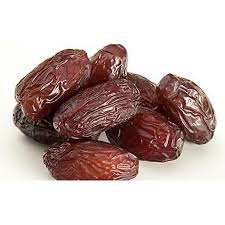
For those looking to explore high-quality options, finding a reputable kedai kurma (date shop) that sources premium varieties, like those from medjool dates Malaysia, can make a significant difference in flavor and quality.
The verdict
So, what’s the final call? While all these sweeteners are better choices than refined white sugar, the nutritional profile of kurma presents a compelling case for its superiority. It’s a whole food, not just a sweetener. The combination of dense fiber, essential minerals, and antioxidants makes it a nutrient-dense choice — you’re adding nutritional value to your meal, not just empty calories. For retailers and wholesalers, this makes dates an easy product to champion to health-conscious consumers.
The key, as with all sweeteners, is moderation. But if you’re going to sweeten your life, a fruit that nourishes your body is the smarter choice.