Harga & Wholesale Sukari Dates: A Commercial Buying Guide for Traders
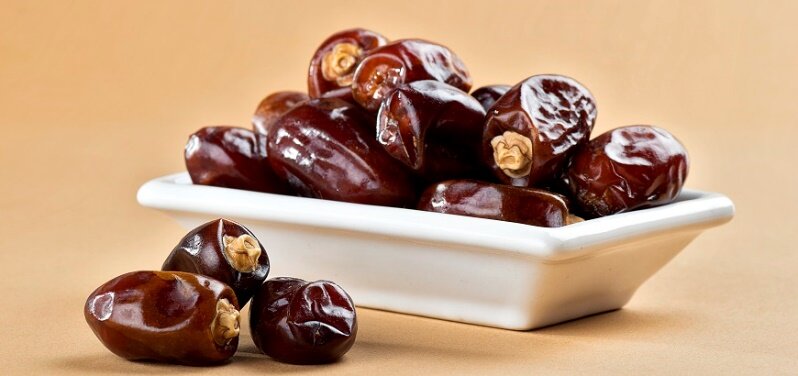
Sukari dates have quietly become one of the most requested varieties among Malaysian retailers, grocers and event caterers — and for good commercial reason. Soft, pale-golden and honey-sweet, Sukari (often called the “royal date” of Saudi Arabia) sits in a sweet spot that few varieties occupy: premium enough to command a healthy margin, yet familiar and affordable enough to move in volume. For any business weighing what to stock, how much to pay and where to source, understanding the commercial mechanics of buying and wholesaling Sukari is the difference between a product that merely sits on the shelf and one that quietly drives repeat sales.
This guide is written for buyers and traders rather than casual snackers. It walks through why Sukari makes commercial sense, what actually drives its wholesale price, how to buy in bulk without over-committing, how to vet a supplier, and how to price for resale so the numbers work in your favour. If you want the origin-and-benefits background instead, our companion piece on the origins, grades and benefits of Kurma Sukari covers that side in full.
Why Sukari Is a Strong Commercial Choice
The commercial appeal of Sukari rests on three things: consistent demand, broad appeal across customer segments, and a favourable margin profile. Demand for good dates in Malaysia is not confined to Ramadan any more — dates have moved into everyday healthy snacking, gifting and premium hampers, which smooths out the seasonal peaks that used to make date trading feel like a gamble. Sukari in particular attracts customers who want something softer and sweeter than the firmer commercial varieties, and that preference translates into steady turnover rather than one-off buys.
Broad appeal matters because it lets a single line of stock serve several channels at once. The same carton of Sukari can be repacked into small retail pouches for a grocery shelf, bundled into a premium gift box for the festive season, or sold loose to a café that uses dates in desserts and health bowls. A variety that only fits one niche forces you to hold narrow, slow-moving inventory; Sukari’s versatility means faster stock rotation and less capital tied up in dead lines.
Finally, the margin profile is attractive because Sukari is perceived as premium without being priced out of reach. That perception gap — premium image, mid-market price — is exactly where a trader wants to operate, because it supports a comfortable markup while still keeping the product accessible to everyday buyers.
What Drives the Wholesale Price of Sukari
Wholesale pricing is never a single number, and treating it as one is the most common way new buyers get burned. Several factors move the price, and knowing them lets you read a quotation critically instead of taking it at face value.
- Grade and size. Larger, uniform, unblemished dates command a premium; smaller or irregular fruit costs less. Grade is the single biggest lever on price, so always confirm which grade a quote refers to.
- Freshness and moisture. Soft Sukari that is fresh and well-hydrated is worth more than fruit that has begun to dry out or crystallise. Moisture content directly affects both eating quality and shelf life.
- Origin and season. Harvest timing and the specific growing region affect both availability and cost. Prices tend to soften just after harvest and firm up as stock is drawn down through the year.
- Import and logistics. Shipping, cold-chain handling, currency movements and customs all feed into the landed cost before the fruit ever reaches your store.
- Packaging. Bulk cartons cost less per kilogram than retail-ready packs; deciding who does the repacking — you or the supplier — changes the price you should expect.
- Order quantity. Larger commitments unlock better per-kilogram pricing, which is why tiered quotations exist.
Because these factors interact, the smartest move is to compare quotes on a like-for-like basis: same grade, same packaging, same quantity, landed rather than ex-warehouse. For a deeper look at why headline prices swing the way they do, our breakdown of why date prices rise and fall online is a useful companion read.
How to Buy Sukari in Bulk — Sensibly
Buying in bulk is where the margin is made, but it is also where inexperienced traders over-extend. The disciplined approach is to sample before you scale. Request a small paid sample or a single carton before placing a large order, and assess it the way your customers will: texture, sweetness, aroma, uniformity and freshness. A supplier confident in their stock will not resist a sampling request.
Next, get more than one quotation. Two or three comparable quotes give you a genuine sense of the market and a stronger negotiating position. Study the tiered pricing — the point at which the per-kilogram price drops — and match your order size to a tier that suits your real sales velocity, not an optimistic guess. It is better to reorder more often at first than to bury capital in stock you cannot turn over before quality slips.
Negotiate the terms, not just the price. Minimum order quantity, tiered pricing, credit terms and a clear damaged-stock policy all matter as much as the headline rate. If you are new to volume buying, our notes on date price variations and finding the best deals lay out how to spot genuine value versus a quote that only looks cheap.
Choosing a Reliable Supplier
A good price from an unreliable supplier is not a good price at all. The suppliers worth building a relationship with are transparent about grade and origin, consistent from one order to the next, and communicative when there is a delay or a stock issue. Consistency is arguably the most valuable trait: customers who like your Sukari expect the same product next month, and a supplier whose quality yo-yos will erode the trust you have built.
Look for suppliers who can document where the fruit comes from, how it is stored and how quickly it moves through their own stock. Ask about their handling and cold-chain practices, because soft dates are sensitive to heat and poor storage. A partner who invests in proper storage is protecting your margin as much as their own. Our guide to bulk kurma suppliers for export quality outlines the traits that separate a dependable wholesale partner from a one-time seller.
Pricing Sukari for Resale
Once the stock is in, resale pricing decides whether the business actually makes money. Start from your true landed cost per kilogram — the purchase price plus shipping, handling, repacking and any wastage — not just the invoice figure. Pricing off the raw invoice is a classic error that quietly eats margin.
From there, a tiered pricing structure usually serves best. Sell small retail packs at the highest per-kilogram rate, offer a mid-tier price for medium quantities, and reserve your keenest rate for genuine bulk buyers and resellers. This lets a single line of Sukari earn a premium margin from walk-in retail customers while still winning larger, lower-margin volume orders. Positioning matters too: presented as a premium honey date in tidy packaging, Sukari supports a markup that the same fruit sold loose and unbranded never could.
Stock Management and Storage
Soft dates reward good stock discipline and punish neglect. Operate first-in, first-out (FIFO) so older stock sells before newer arrivals, and store Sukari cool and dry — heat and humidity accelerate the drift toward a dry, sugary, less appealing texture. Well-managed storage protects both quality and margin, because spoiled or degraded stock is pure loss.
Match order size to turnover so you are rarely holding more than you can sell at peak quality, and keep a light buffer for demand spikes around festive periods. The goal is a steady rhythm of ordering and selling rather than large, infrequent buys that leave fruit ageing in the store.
Building a Resilient Supply Chain
Relying on a single source is a quiet risk. Harvests vary, suppliers have off-months, and a shipment can be delayed. Cultivating two or three vetted suppliers means a hiccup with one does not empty your shelves. A multi-source approach also gives you a live sense of the market and keeps any single supplier honest on price and quality.
As your Sukari line proves itself, it pairs naturally with other varieties to build a fuller range that serves more customers per visit. Many established buyers stock Sukari alongside more budget-focused lines, so a premium and a value option can sit side by side without cannibalising each other — the premium fruit anchors your margin while the affordable line widens your reach and pulls in price-sensitive buyers who may later trade up.
Cash Flow and Working Capital
Volume buying is as much a cash-flow exercise as a sourcing one. Every carton on your shelf is capital that is not available for anything else, so the aim is to keep stock moving fast enough that money is not left sleeping in inventory. Match your order rhythm to how quickly you genuinely sell, and resist the temptation to chase the deepest bulk discount if it means locking up cash you need elsewhere in the business.
Where a supplier offers credit terms, use them deliberately: paying after you have started selling the stock eases the pressure on working capital and lets you fund growth from sales rather than savings. Keep a simple record of how long each batch takes to clear, because that turnover figure tells you whether your buying pace is healthy or whether capital is quietly getting stuck on the shelf. A trader who watches cash flow as closely as gross margin is the one who can keep reordering, keep shelves full, and keep growing through both the quiet months and the festive rush.
Regional Market Opportunities
Demand for quality Sukari is not confined to one country, and traders who build a dependable supply often find neighbouring markets asking for the same product. Some Malaysian wholesalers have extended their reach across the region, arranging shipping to Indonesia and beyond as buyers there look for reliable sources of soft, premium dates. For buyers in Indonesia who want quality Sukari with shipping to Indonesia, many turn to specialist suppliers such as sukari Indonesia that understand the needs of the local market there. Watching where cross-border demand is strongest can point you toward the next growth channel for your own business.
For a broader commercial partner in the wholesale dates space, datewholesale.com is another network resource worth reviewing when you are mapping out sourcing and volume strategy.
Common Mistakes to Avoid
- Buying on price alone. The cheapest quote often reflects a lower grade or drier stock; compare like-for-like before deciding.
- Skipping the sample. Committing to volume without testing a carton first is how traders end up with fruit their customers reject.
- Pricing off the invoice. Ignoring shipping, repacking and wastage means your real margin is thinner than you think.
- Over-buying. Soft dates degrade; holding more than you can sell at peak quality turns margin into waste.
- Single-sourcing. One supplier is one point of failure; a small, vetted panel keeps you supplied and competitive.
Frequently Asked Questions
Is Sukari profitable to stock? Yes — its premium image combined with a mid-market price supports a comfortable markup, while its broad appeal across retail, gifting and food-service keeps stock turning.
How much should I buy first? Start with a sample or a single carton, confirm quality and customer response, then scale into a tier that matches your genuine sales velocity.
What is the most important thing to check in a supplier? Consistency. A supplier who delivers the same grade and freshness order after order protects the trust your customers place in your product.
How should Sukari be stored? Cool, dry and on a FIFO basis. Soft dates are sensitive to heat and humidity, so good storage directly protects both quality and margin.
Final Thoughts
Sukari earns its place in a trader’s range by being commercially forgiving: steady demand, versatile enough to serve several channels, and premium enough to reward good sourcing and pricing. Buy on grade and freshness rather than headline price, sample before you scale, vet your suppliers for consistency, price from your true landed cost, and manage stock with discipline. Do those things well and Sukari becomes not just a product you carry, but a reliable engine of margin and repeat business.